Stearic Acid: A Deep Dive into Pricing and Market Trends
Stearic Acid: A Deep Dive into Pricing and Market Trends
Blog Article
This existing landscape for the fatty acid pricing and trade trends reveals a intricate interplay of variables. Globally, costs have been witnessing fluctuations due to altering distribution networks and increasing component expenses. Specifically, plant oil and animal products, key materials in this compound production, have seen substantial cost increases. As a result, manufacturers are facing difficulty to copyright favorable pricing while controlling growing production expenses. Looking ahead, expert analysis indicates that equilibrium in the fatty acid costs remains doubtful, dependent on geopolitical events, farming results, and overall economic situations.
Leading Stearic Acid Producers Shaping the Worldwide Market
Several significant firms are powering the international stearic acid sector. Including these, giants like Wilmar International hold considerable percentages of the production . Other producers consist of Emery , each contributing to the continuous advancement of fatty acids applications . Moreover, the rising demand from different sectors , such as personal care , edible goods , and oils, is also boosting innovation and capital within this vital area of the oleochemical sector.
- Wilmar International - Specializing in sustainable methods .
- Kao Corporation - Growing output to meet needs .
Key Stearic Acid Manufacturers: Profiles and Production Capacities
Several prominent companies currently dominate the worldwide stearic acid market . Among these, Oleon NV possesses a considerable production capacity , estimated at approximately 100,000 tons per year . Similarly, Kao Corporation presents a large production potential , reported to be approaching 80,000 tons annually. Wilmar International manages with a notable capacity, thought to be in the vicinity of 70,000 tonnes . Lastly, Emery Oleochemicals shows a strong production standard, with a figure approximately 60,000 metric tons each year. These mentioned manufacturers represent a significant portion of the total stearic acid supply landscape.
Finding Reliable Stearic Acid Distributors: A Comprehensive Guide
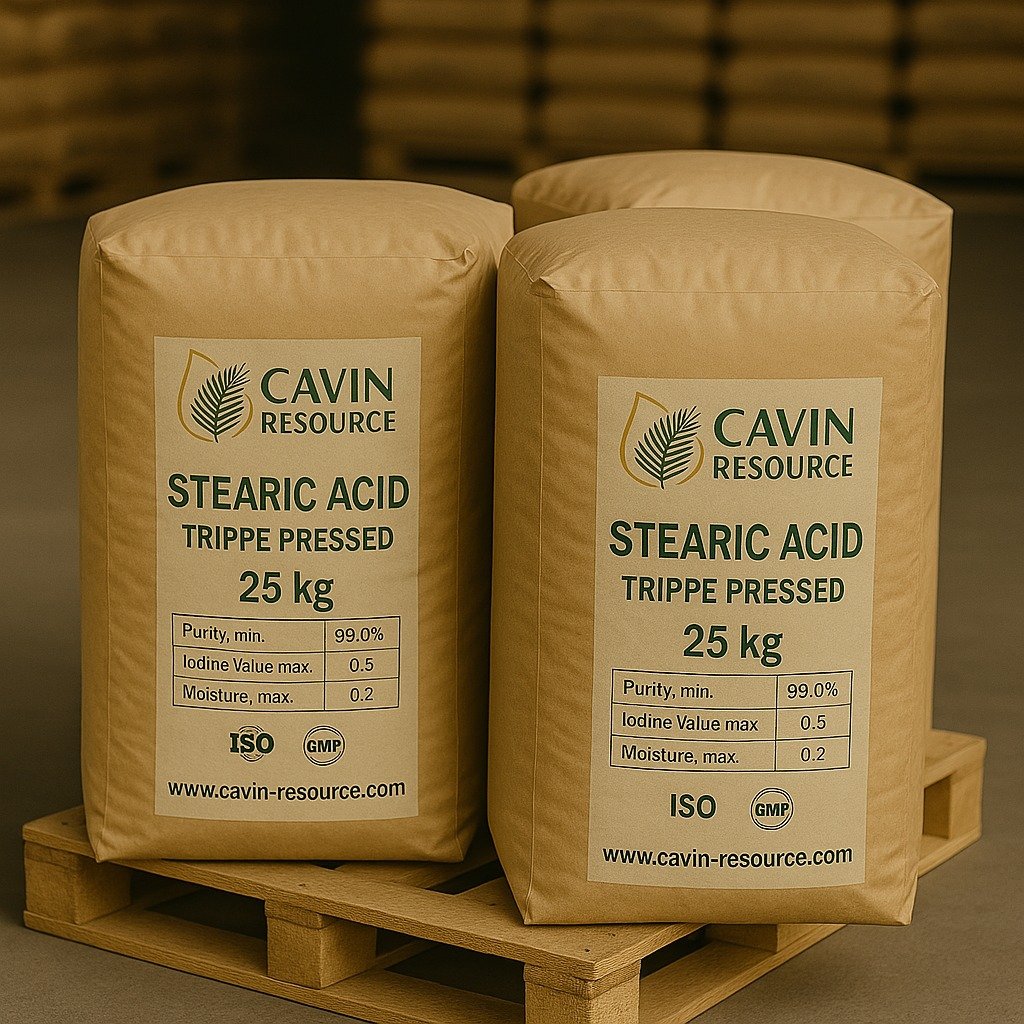
Securing a trustworthy supply of stearic substance requires thorough research when selecting potential distributors. Commence by investigating online listings specializing in raw materials; these can typically present a wide range of providers. Additionally, confirming their qualifications, including ISO regulations, is vitally essential. Don't neglecting to obtain test batches and contrast pricing from stearic acid producers several sources before making a partnership . Ultimately, assessing user testimonials and reaching out to existing customers can give insightful perspective regarding the distributor's performance .
Understanding Stearic Acid Cost Drivers: Factors Affecting Price
The cost of this fatty acid is impacted by a number of significant factors . Raw material expenses , particularly the base oil and animal fat , represent a substantial driver , with variations in worldwide oil prices directly impacting the final product cost . Manufacturing techniques also play a role , as efficiencies in technology can decrease costs. Transportation costs , comprising freight and storage , add to the final expense . Finally, supply and demand – affected by cyclical patterns and geopolitical circumstances – greatly impact the trade cost of this compound.
Stearic Acid Supply Chain: Producers, Distributors, and Market Dynamics
The global stearic chemical supply system involves a complex interplay of suppliers, wholesalers, and evolving market dynamics. Major manufacturing regions include China, Western nations, and the US, with key firms often integrating production with downstream sectors like lubricants. Sales typically happens through a layered system, comprising large international distribution companies and regional private enterprises. Market values are impacted by elements such as palm oil supply, worldwide economic conditions, and changes in buyer demand.
Report this page